
Vitamin B12 Benefits: Energy, Brain Health & How to Get Enough
Julia BłoszykVitamin B12 Benefits: Energy, Brain Health & How to Get Enough
Vitamin B12 Benefits - B12 may not be as widely discussed as vitamin C or vitamin D, but it plays a vital role in keeping the body functioning properly. From supporting normal energy metabolism to maintaining the nervous system and producing red blood cells, vitamin B12 is involved in many of the body’s most important everyday processes.
Because the body cannot produce vitamin B12 on its own, it must be obtained through diet or supplementation. However, modern diets, age-related changes in absorption, and plant-based eating patterns mean that many people may not be getting enough—often without realising it.
Understanding what vitamin B12 does, where it comes from, and how to support healthy intake can help you make informed, confident choices for your long-term wellbeing and daily vitality.
 What Is Vitamin B12?
Vitamin B12, also known as cobalamin, is a water-soluble vitamin that helps support:
- Normal energy metabolism
- Red blood cell formation
- Nervous system function
- DNA synthesis
Because the body cannot produce vitamin B12 on its own, it must be obtained through diet or supplementation.

Why Vitamin B12 Is So Important
Vitamin B12 supports several foundational functions in the body:
Energy Support
B12 plays a role in converting food into usable energy. While it isn’t a stimulant, adequate intake helps support normal energy levels throughout the day.
Brain and Nervous System Health
B12 contributes to the maintenance of nerve cells and supports normal cognitive function. It’s essential for healthy communication between the brain and the rest of the body.

Red Blood Cell Production
This vitamin helps the body produce red blood cells, which carry oxygen throughout the body and support overall vitality.
Common Sources of Vitamin B12
Vitamin B12 is naturally found in animal-based foods, including:
- Meat and poultry
- Fish and seafood
- Eggs
- Dairy products
Because plant foods do not naturally contain significant amounts of B12, individuals following vegetarian or vegan diets may find it harder to meet their needs through food alone.

Who May Need to Pay Extra Attention?
Certain groups may be more likely to have low B12 intake, including:
- People following plant-based or vegan diets
- Older adults, as absorption can decrease with age
- Individuals with digestive conditions that affect nutrient absorption
In these cases, fortified foods or supplements can help support adequate intake.
Vitamin B12 in Supplements
Vitamin B12 is commonly included in multivitamins, daily supergreens powders, and standalone supplements. You may see different forms on labels, such as:
- Cyanocobalamin
- Methylcobalamin
- Adenosylcobalamin
Each form is used by the body, though brands may choose specific types based on stability, absorption, or formulation goals.

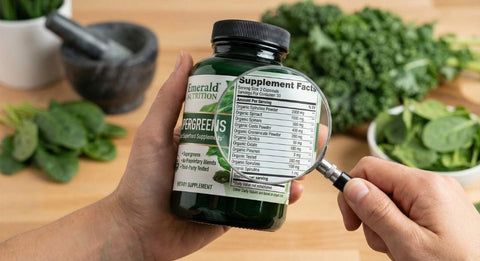
How to Read a Vitamin B12 Label
When reviewing a supplement:
- Check the amount per serving
- Look for clearly listed forms of B12
- Avoid unnecessary fillers or artificial additives
- Choose products from brands that prioritise quality testing and transparency
The Bottom Line
Vitamin B12 is a small nutrient with a big role in everyday wellness. Supporting adequate intake—through diet, fortified foods, or thoughtfully formulated supplements—can help maintain energy, cognitive function, and overall vitality.

Our approach to supplementation is simple: clean ingredients, careful testing, and safety-focused manufacturing standards—so you can feel confident in what you choose to support your daily nutrition.
Frequently Asked Questions About Vitamin B12
What does vitamin B12 do in the body?
Vitamin B12 supports normal energy metabolism, red blood cell formation, nervous system function, and DNA synthesis. It helps the body convert food into usable energy and supports healthy nerve communication.
What are the symptoms of low vitamin B12?
Low vitamin B12 intake may be associated with tiredness, low energy, difficulty concentrating, or neurological symptoms over time. If you are concerned, it’s best to speak with a qualified healthcare professional.
What foods are high in vitamin B12?
Vitamin B12 is naturally found in animal-based foods such as meat, fish, eggs, and dairy products. Plant foods do not naturally contain significant amounts unless they are fortified.
Who may need to supplement vitamin B12?
People following vegetarian or vegan diets, older adults, and individuals with digestive conditions that affect nutrient absorption may find it harder to meet their needs through diet alone.
What forms of vitamin B12 are found in supplements?
Common forms include cyanocobalamin, methylcobalamin, and adenosylcobalamin. All are used by the body, and manufacturers may choose specific forms based on stability and formulation goals.
Is vitamin B12 a stimulant?
No. Vitamin B12 does not act as a stimulant. It supports normal energy production by helping the body convert nutrients into energy rather than providing an artificial boost.